How I Fueled My Recovery: Real Food, Real Gains
Recovering from injury isn’t just about rest and rehab exercises—what you eat plays a huge role. I learned this the hard way when my progress stalled, until I started treating food like fuel. With the right nutrients, my energy improved, healing felt faster, and my body responded better to therapy. This isn’t about strict diets or supplements—it’s simple, real eating that supports recovery. Here’s what actually worked for me, backed by science and personal experience.
The Hidden Roadblock in Recovery: Why Diet Matters
When an injury sidelines you, the focus naturally shifts to physical therapy, rest, and following medical advice. These are essential, but they’re only part of the equation. What many overlook is the powerful role nutrition plays in the healing process. The body is constantly rebuilding—mending torn muscle fibers, repairing connective tissue, and regenerating bone. All of these processes require raw materials, and those materials come from food. Without the right nutrients, even the most disciplined rehab routine can fall short.
One common mistake is undereating during recovery. Since activity levels drop, some assume they need to eat less. But the body often requires more energy during healing, not less. Research shows that injured tissues increase metabolic demand, especially if surgery or trauma is involved. Restricting calories too much can slow tissue repair, weaken the immune system, and lead to muscle loss—exactly what you’re trying to avoid. Another frequent oversight is skipping protein at meals, especially breakfast, which sets a weak foundation for the day.
The connection between food and healing is biological and measurable. For example, collagen synthesis—the process that rebuilds tendons and ligaments—depends on amino acids from protein and vitamin C from fruits and vegetables. Inflammation, a natural part of healing, must be regulated; too much can delay recovery, and diet directly influences this balance. Omega-3 fatty acids, found in fatty fish and certain seeds, help modulate the body’s inflammatory response, while excess sugar and processed fats can make it worse.
Healing begins in the kitchen. Every meal is an opportunity to support or hinder recovery. When you view food not as something to restrict, but as a source of healing power, your mindset shifts. You stop asking, “Can I eat this?” and start asking, “Will this help me heal?” This subtle change in perspective leads to better choices without the stress of dieting. The clinic supports movement; the kitchen supports repair. Both are necessary.
Protein: The Building Block You Can’t Skip
If recovery were a construction project, protein would be the bricks. It’s the primary structural component of muscle, tendons, ligaments, and skin—all of which may be damaged during injury. Without adequate protein intake, the body struggles to rebuild. Yet, many people, especially women over 30, don’t consume enough. This isn’t about bodybuilding or gaining bulk; it’s about giving your body the tools it needs to heal properly.
Protein is made up of amino acids, some of which the body can’t produce on its own. These essential amino acids must come from food. Leucine, in particular, plays a key role in triggering muscle protein synthesis—the process that repairs and builds tissue. This is why spreading protein intake throughout the day is more effective than consuming it all at once. Having a source of protein at each meal helps maintain a steady supply of amino acids in the bloodstream, supporting continuous repair.
The amount needed varies depending on the type and severity of injury, but most experts agree that increasing protein intake moderately during recovery is beneficial. You don’t need to count grams obsessively, but aim to include a palm-sized portion of protein at each meal. This could be a few eggs at breakfast, grilled chicken at lunch, or a serving of lentils at dinner. The key is consistency, not perfection.
Excellent sources of protein are often already in your kitchen. Eggs are a complete protein, meaning they contain all essential amino acids, and they’re affordable and easy to prepare. Greek yogurt offers both protein and probiotics, which support gut health—an often-overlooked aspect of healing. Canned tuna, cottage cheese, beans, and tofu are other accessible options. You don’t need expensive protein powders or supplements. Whole foods work just as well, if not better, because they come with additional nutrients like B vitamins and iron that support energy and oxygen delivery.
Timing matters, too. Eating a small protein-rich snack within an hour after physical therapy can enhance muscle recovery. A piece of cheese with an apple, a handful of nuts with yogurt, or a hard-boiled egg with whole grain crackers can make a difference. These aren’t dramatic changes—just intentional ones. Over time, they support stronger, more resilient tissue and a smoother recovery path.
Fighting Inflammation with Food—Not Just Ice
Inflammation is a natural and necessary part of healing. After an injury, the body sends immune cells to the damaged area to clean up debris and initiate repair. But when inflammation becomes chronic or excessive, it can delay recovery and increase discomfort. This is where diet becomes a powerful tool. While ice and anti-inflammatory medications can help manage symptoms, food can address the root cause by influencing the body’s internal environment.
Certain foods have natural anti-inflammatory properties. Colorful vegetables like spinach, kale, bell peppers, and broccoli are rich in antioxidants and phytonutrients that help regulate the immune response. Berries—especially blueberries, strawberries, and raspberries—contain anthocyanins, compounds shown to reduce oxidative stress and inflammation. Fatty fish such as salmon, mackerel, and sardines are high in omega-3 fatty acids, which the body converts into resolvins and protectins—molecules that actively resolve inflammation.
Nuts and seeds, particularly walnuts and flaxseeds, also provide plant-based omega-3s. Extra virgin olive oil contains oleocanthal, a compound with effects similar to ibuprofen, though much milder and without side effects. Including these foods regularly creates a foundation that supports balanced inflammation, allowing healing to progress without unnecessary interference.
On the flip side, some foods can worsen inflammation and slow recovery. Highly processed snacks, sugary cereals, sweetened beverages, and fried foods are common culprits. These items often contain refined sugars, trans fats, and excessive omega-6 fatty acids, which, in excess, can tip the body into a pro-inflammatory state. For example, drinking a soda with lunch may cause a spike in blood sugar, triggering the release of inflammatory cytokines. Over time, repeated spikes can impair healing and contribute to fatigue.
It’s not about eliminating these foods completely—perfection isn’t the goal. But becoming aware of how often they appear in your diet is the first step. A simple swap, like choosing water with lemon instead of soda, or snacking on almonds instead of chips, can make a meaningful difference. The goal is to build a plate that’s more focused on whole, colorful foods than on convenience items that do more harm than good.
Energy Balance: Fueling Without Overdoing It
One of the biggest misconceptions in recovery is that reduced activity means you should eat significantly less. While it’s true that your calorie needs may decrease slightly when you’re not exercising as much, they don’t drop as much as you might think. The body uses energy for healing—sometimes even more than during normal activity. Restricting calories too much can backfire, leading to fatigue, muscle loss, and slower tissue repair.
Energy balance means consuming enough calories to support healing without overeating to the point of weight gain. It’s a delicate balance, but it doesn’t require counting every bite. A practical approach is to use visual cues for portion control. For protein, aim for a portion about the size of your palm. For carbohydrates—especially complex ones like oats, sweet potatoes, quinoa, and brown rice—a portion the size of your fist is often sufficient. For healthy fats like avocado, olive oil, or nuts, a thumb-sized portion is a good guide.
These cues are not exact science, but they’re grounded in practicality. They help you avoid guesswork while staying in tune with your body’s needs. Eating regular meals—three main meals with one or two snacks—keeps energy levels stable and prevents extreme hunger, which can lead to overeating later. Skipping meals, especially breakfast, can disrupt metabolism and make it harder to stay consistent with healthy choices.
Complex carbohydrates are particularly important during recovery. They provide glucose, the body’s preferred fuel source, especially for the brain and healing tissues. Unlike refined carbs, which cause rapid spikes and crashes in energy, complex carbs release glucose slowly, supporting sustained focus and physical stamina. Including them in each meal helps maintain energy without promoting fat storage.
Listening to your body is key. If you’re feeling unusually tired, irritable, or hungry between meals, you may not be eating enough. On the other hand, if you’re gaining weight despite reduced activity, it may be worth reviewing portion sizes and food choices. The goal is not weight loss during recovery, but healing. Weight will normalize once activity resumes, especially if nutrition remains balanced.
Hydration and Recovery: More Than Just Water Counting
Water is essential for every bodily function, and its role in recovery is often underestimated. Muscles are about 75% water, and even mild dehydration can impair muscle function, reduce joint lubrication, and slow the delivery of nutrients to damaged tissues. Yet, many people don’t drink enough, especially if they’re less active or forget to carry a water bottle.
Hydration isn’t just about drinking water—it’s about maintaining electrolyte balance. Sodium, potassium, magnesium, and calcium are minerals that help regulate fluid levels, nerve signaling, and muscle contractions. When you’re healing, these processes are working overtime, and electrolytes are lost through sweat, urine, and even breathing. Replenishing them through food is often more effective than relying solely on sports drinks, which can be high in sugar.
Foods like bananas, oranges, spinach, sweet potatoes, and avocados are rich in potassium. Dairy products and leafy greens provide calcium and magnesium. A simple snack of yogurt with banana slices or a smoothie with spinach and orange juice can support hydration while delivering other healing nutrients. Even herbal teas and broths contribute to fluid intake and can be soothing, especially during colder months.
The best approach is consistent sipping throughout the day. Chugging large amounts at once doesn’t improve hydration—it just leads to frequent bathroom trips. Keeping a reusable water bottle nearby serves as a visual reminder. If plain water feels boring, add slices of cucumber, lemon, or berries for flavor. Herbal infusions like mint or chamomile can also make hydration more enjoyable.
During physical therapy sessions, staying hydrated is especially important. Muscles that are well-hydrated are more pliable and less prone to cramping or strain. Drinking water before, during, and after therapy supports performance and reduces soreness afterward. It’s a small habit with a big impact.
Putting It All Together: A Day of Real Recovery Eating
Knowing what to eat is one thing; making it happen every day is another. The best nutrition plan is one that fits your life—not one that requires hours of meal prep or exotic ingredients. Here’s what a typical day of recovery-focused eating might look like, based on real habits and simple choices.
Breakfast could be two scrambled eggs with spinach and tomatoes, a slice of whole grain toast, and a small bowl of Greek yogurt with berries. This meal provides protein, healthy fats, fiber, and antioxidants—everything needed to start the day with steady energy. If you’re short on time, a smoothie with banana, spinach, protein powder or yogurt, and almond milk is just as effective.
Lunch might include a grilled chicken salad with mixed greens, cucumbers, carrots, avocado, and a olive oil-lemon dressing. Adding beans or quinoa boosts fiber and plant-based protein. A piece of fruit and a handful of almonds make a satisfying snack in the afternoon. These choices are not complicated, but they’re nutrient-dense and supportive of healing.
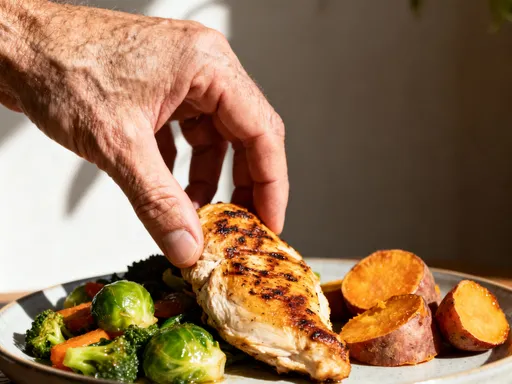
Dinner could be baked salmon with roasted sweet potatoes and steamed broccoli. The salmon provides omega-3s, the sweet potatoes offer complex carbs, and the broccoli delivers vitamin C and fiber. A small glass of milk or a cup of herbal tea finishes the meal gently. If you’re hungry before bed, a slice of whole grain toast with peanut butter or a small bowl of cottage cheese can prevent overnight muscle breakdown.
The key isn’t perfection—it’s consistency. You don’t need to eat this way every single day to see benefits. Aim for progress, not perfection. If one meal is less ideal, the next is a new opportunity. Planning a few go-to meals reduces decision fatigue and makes healthy eating more sustainable. Keeping staples like frozen vegetables, canned beans, and frozen fish fillets on hand ensures you always have options, even on busy days.
Mindset matters, too. Instead of viewing food as a source of guilt or restriction, see it as a form of self-care. Each meal is a chance to nurture your body and support your recovery. Over time, these choices become habits, and habits become results.
Beyond the Plate: Pairing Nutrition with Smart Rehab Habits
Nutrition doesn’t work in isolation. It’s most effective when combined with other healthy habits that support recovery. Sleep, for example, is when the body does much of its repair work. Growth hormone, which aids tissue regeneration, is released primarily during deep sleep. Poor nutrition can disrupt sleep—eating too much sugar or too late at night may lead to restlessness—while balanced meals support stable blood sugar and better sleep quality.
Motivation and mental clarity are also influenced by diet. When you fuel your body with whole foods, you’re more likely to feel energized and focused, which makes it easier to stick with therapy exercises and stay positive. On the other hand, a diet high in processed foods can lead to energy crashes, brain fog, and mood swings—all of which make recovery feel harder than it needs to be.
Physical therapy performance improves when you’re well-nourished. Muscles respond better to exercise when they’re fueled with adequate protein and carbohydrates. Joint mobility improves when inflammation is kept in check. Even small improvements in nutrition can lead to noticeable differences in how you feel during and after sessions.
Consistency is more important than perfection. No single meal will make or break your recovery. It’s the pattern over time that matters. And while personal experience is valuable, professional guidance is essential. A registered dietitian can help tailor nutrition to your specific injury and needs, and your physical therapist can advise on how to align eating with your rehab schedule.
Finally, patience is part of the process. Healing takes time, and progress isn’t always linear. There will be good days and setbacks. But by treating food as medicine—simple, accessible, and powerful—you give your body the best possible chance to heal fully and return to the life you love.
True recovery is a team effort—your therapist, your effort, and your plate all play vital roles. By choosing whole, nourishing foods consistently, you give your body the tools it needs to heal effectively. This approach isn’t flashy, but it’s sustainable, science-backed, and powerful. Small changes add up to real progress.