Lost in the Halls of Punakha Dzong? Here’s What No One Tells You
Traveling to Bhutan feels like stepping into a living postcard, where monasteries cling to cliffs and peace isn’t just a feeling—it’s a way of life. But when I visited Punakha Dzong, the so-called "Palace of Great Happiness," I realized something most guides don’t mention: its beauty hides real travel traps. From confusing entry rules to silent cultural landmines, even seasoned travelers can slip up. This isn’t just about sightseeing—it’s about seeing right. What appears as a serene retreat perched between the Mo Chhu and Pho Chhu rivers carries layers of tradition, protocol, and unspoken expectations that can catch the unprepared off guard. Understanding them is not just respectful—it’s essential to truly experience one of Bhutan’s most sacred sites.
First Impressions: Why Punakha Dzong Feels Like a Dream (and a Maze)
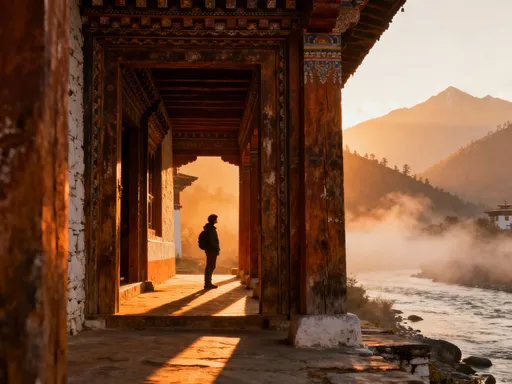
Punakha Dzong rises with quiet majesty at the confluence of two rivers, its whitewashed walls and gilded roofs shimmering under the Himalayan sun. At sunrise, the golden spires catch the first light like embers reigniting, casting long shadows across the courtyard. Built in 1638 by Zhabdrung Ngawang Namgyal, the unifier of Bhutan, this fortress-monastery served as the nation’s capital for centuries and remains the winter residence of the country’s central monastic body. Its strategic location and architectural brilliance reflect both spiritual devotion and military foresight.
Yet for all its visual harmony, the dzong can be disorienting. Visitors often expect a straightforward museum-like tour, but Punakha Dzong is not a static monument—it is a living, breathing institution. Monks move through its corridors for daily prayers, rituals are conducted behind closed doors, and certain halls open only during specific times. The absence of clear signage in English, combined with the labyrinthine layout of interconnected courtyards and stairways, means it’s easy to feel lost—physically and culturally. Many assume entry is unrestricted, only to be gently turned away at sacred thresholds.
Another common misconception is that casual attire is acceptable. The dzong’s tranquil exterior may suggest informality, but inside, decorum is strictly observed. Travelers in shorts or sleeveless tops are often asked to cover up before entering, sometimes provided with wraps at the entrance. This isn’t merely about rules—it reflects a deeper value in Bhutanese culture: that sacred spaces demand reverence. Recognizing this shift—from tourist destination to spiritual sanctuary—is the first step toward a meaningful visit.
The Hidden Rules: What Locals Know But Tourists Don’t
One of the most overlooked aspects of visiting Punakha Dzong is the unspoken code of conduct that governs behavior within its walls. These aren’t arbitrary restrictions; they are rooted in centuries of Buddhist tradition. Modest clothing is mandatory—not as a formality, but as a sign of respect for the monks and deities enshrined within. Hats must be removed before crossing any threshold, and voices are kept low, especially near prayer halls where meditation and chanting occur.
Photography is another area where cultural sensitivity is crucial. While some courtyards allow photos, many interior chambers—including those housing sacred relics—strictly prohibit cameras. This isn’t about control; it’s about preserving the sanctity of spaces where spiritual energy is believed to reside. Flash photography, in particular, is seen as disruptive and disrespectful. Even well-meaning travelers who snap a quick photo without realizing the prohibition risk offending local sensibilities.
Equally important is the role of the guide. In Bhutan, foreign tourists are required by law to travel with licensed guides, especially when visiting religious sites like dzongs. These guides do more than translate—they act as cultural interpreters, helping visitors navigate etiquette, timing, and access. Assuming you can explore independently not only violates regulations but also limits understanding. A guide can explain the symbolism behind intricate murals, the significance of prayer wheels, or why certain doors remain closed. Without one, you’re likely to miss the depth behind the beauty.
Timing Is Everything: Why Your Visit Might Be Cut Short
Even the most carefully planned visit to Punakha Dzong can be disrupted by timing. The dzong’s accessibility changes with the seasons and the religious calendar. During the annual Punakha Festival, usually held in February or March, many areas of the dzong are closed to tourists as monks perform sacred masked dances and rituals. These events are central to Bhutanese spiritual life, and public access is understandably restricted.
The monsoon season, from June to September, also affects visits. Heavy rains can cause landslides along the road from Thimphu, delaying arrival. More importantly, the dzong itself may close temporarily if flooding threatens its foundations—something that has happened in recent years due to rising river levels. While rare, these closures underscore the vulnerability of even the most enduring structures.
Even on a clear day, arriving too late can shorten your experience. The dzong typically opens around 9:00 a.m. and closes by 4:30 p.m., with a break during midday when monks are in prayer. This leaves a narrow window for exploration, especially if you’re unfamiliar with the layout. Visitors who arrive after 2:00 p.m. may find access limited to only the outer courtyards. To make the most of your time, it’s wise to start early, ideally combining the visit with a morning walk across the nearby suspension bridge for panoramic views of the dzong.
For up-to-date information, travelers should consult the Tourism Council of Bhutan or their licensed tour operator before finalizing plans. Last-minute changes are not uncommon, and flexibility is key. Being informed doesn’t just prevent disappointment—it shows respect for the rhythms of Bhutanese life, where religious observance often takes precedence over tourism.
Footwear Faux Pas: A Small Mistake with Big Consequences
One of the most common—and easily avoidable—mistakes visitors make is wearing the wrong footwear. Punakha Dzong requires shoe removal in several key areas, particularly in temples and assembly halls. Travelers in heavy hiking boots or lace-up shoes often struggle with the repeated process of taking them off and putting them back on, especially when moving between multiple chambers.
The interior floors, made of polished wood or stone, can be uneven and slippery. Walking barefoot—or in socks—on these surfaces poses a safety risk, particularly for older visitors or those with balance concerns. Yet wearing inappropriate footwear isn’t just inconvenient; it can be seen as disrespectful if shoes are scuffed or dirty when placed near sacred spaces.
The solution is simple: wear slip-on shoes with non-marking soles. Comfortable loafers or soft-soled sandals allow for quick removal and reapplication. Some travelers bring a second pair of clean indoor shoes to change into, storing their outdoor footwear in designated racks near the entrance. Socks with grip soles are another smart choice, offering stability and hygiene.
Beyond practicality, this small act of preparation reflects mindfulness. In Bhutanese culture, cleanliness and order are tied to spiritual purity. By arriving with the right footwear, you demonstrate not just preparedness, but a willingness to honor local customs. It’s a small gesture that can make a big difference in how you’re perceived—and how deeply you’re allowed to engage with the space.
Beyond the Facade: Where the Real Story Lies
To truly appreciate Punakha Dzong, one must look beyond its stunning architecture and recognize it as a vessel of living tradition. At its heart lies the *Rangjung Kharsapani*, a revered relic believed to be a self-created image of Avalokiteshvara, the bodhisattva of compassion. Housed in the dzong’s most sacred chamber, this statue is not merely an artifact—it is considered a living presence, treated with daily rituals and profound reverence.
Because of its spiritual significance, the chamber is off-limits to most visitors. This isn’t secrecy; it’s preservation. The Bhutanese approach to heritage is not about display, but about continuity. Sacred objects are protected not for exclusivity, but to maintain their power and purity. Understanding this shifts the traveler’s mindset from one of entitlement—“I should be able to see everything”—to one of humility—“I am privileged to witness even a part.”
Other areas, like the assembly hall with its towering wooden pillars and hand-painted frescoes, offer glimpses into the dzong’s historical role. The murals depict scenes from Buddhist mythology, the life of Guru Rinpoche, and the unification of Bhutan. Rather than rushing through with a camera, a more rewarding approach is to pause, observe, and listen. Let a guide explain the stories, or simply sit quietly and absorb the atmosphere.
This kind of mindful tourism—slow, reflective, and intentional—aligns with Bhutan’s national philosophy of Gross National Happiness. It values experience over accumulation, presence over productivity. When you move through the dzong with this awareness, the journey becomes less about collecting photos and more about cultivating connection.
The Guide Gap: Why Going Solo Is Riskier Than You Think
While some travelers prefer independent exploration, Bhutan’s religious sites operate under different norms. Independent access to dzongs like Punakha is highly restricted, and for good reason. Licensed guides are not just interpreters of language—they are guardians of cultural integrity. They ensure that visitors follow protocols, avoid sacred areas, and understand the context behind what they’re seeing.
Without a guide, you risk more than just missing information—you risk causing offense. Stepping into a restricted zone, speaking too loudly, or mishandling religious objects (even unintentionally) can disrupt rituals and upset local communities. In a country where religion and daily life are deeply intertwined, such missteps are not taken lightly.
Another concern is the presence of unlicensed individuals near the dzong’s entrance who offer to guide tourists for cash. While some may have local knowledge, they lack official training and accreditation. Their information may be inaccurate or oversimplified, and hiring them undermines the formal tourism system designed to protect cultural and environmental resources.
To ensure authenticity and compliance, travelers should verify their guide’s credentials through the Tourism Council of Bhutan or their authorized tour operator. A certified guide carries an ID card with a photo and registration number—details that can be cross-checked. This not only protects the traveler but supports ethical tourism practices that benefit local communities.
Smart Visits: How to Experience the Dzong Right
Visiting Punakha Dzong with awareness and preparation transforms the experience from a casual stop to a profound encounter. Start by booking your trip through an authorized Bhutanese tour operator, as required by national regulations. These agencies handle permits, transportation, accommodations, and guide assignments, ensuring a seamless and compliant journey.
When packing, prioritize modest, layered clothing. Mornings can be cool, especially near the river, but temperatures rise quickly under the sun. A light scarf or shawl is useful for covering shoulders when needed. Bring a refillable water bottle and light snacks—while there are small stalls nearby, options inside the dzong are limited.
Allocate at least half a day for the visit. This allows time to explore the main courtyards, listen to your guide’s insights, and absorb the atmosphere without feeling rushed. Consider combining the trip with a walk across the iconic suspension bridge, which offers one of the most photographed views of the dzong. From there, you can visit Chimi Lhakhang, a fertility temple dedicated to the “Divine Madman,” Drukpa Kunley, located about a 30-minute walk through rice fields.
However, avoid overloading your itinerary. Bhutan’s charm lies in its slowness, its invitation to be present. Resist the urge to treat the dzong as a checkbox on a list. Instead, approach it with curiosity and respect. Ask thoughtful questions, observe rituals with quiet attention, and allow space for reflection. These moments of stillness often become the most memorable.
Conclusion: More Than Stone and Prayer Bells
Punakha Dzong is more than an architectural marvel or a backdrop for photographs. It is a living testament to Bhutan’s spiritual heart, a place where history, faith, and community converge. The mistakes travelers make—arriving unprepared, dressing inappropriately, ignoring etiquette—are not just logistical oversights; they reflect a deeper gap in understanding.
By learning the unwritten rules, respecting cultural norms, and traveling with humility, visitors do more than avoid embarrassment—they open the door to genuine connection. The dzong reveals itself not to those who rush through, but to those who move with mindfulness and intention.
In a world where tourism often prioritizes speed and spectacle, Bhutan offers a different model. Here, the journey is not about how much you see, but how deeply you see it. Punakha Dzong invites us to slow down, to listen, and to remember that some places are not just to be visited—but to be honored. When you approach it not as a destination, but as a privilege, the halls no longer feel like a maze. They become a pathway—to beauty, to tradition, and to a quieter, more thoughtful way of traveling.