Whispers of Flavor: The Untold Food Secrets of Kangaroo Island
Tucked away off the coast of South Australia, Kangaroo Island isn’t just about wildlife and wild cliffs—it’s a quiet food paradise few truly know. I wandered its roads, not chasing crowds, but local tastes: smoky cheeses, raw honey with depth, sea salt kissed by southern winds. This is real, slow food, grown and made by hands you can actually meet. If you think Australian cuisine starts and ends with barbecue, wait till you taste what’s hiding here. Far from industrial farms and mass production, this island nurtures a culinary culture shaped by isolation, care, and an unshakable bond between land and plate. It’s time to listen to the whispers of flavor that rise from its sun-drenched fields and windswept coasts.
Beyond the Brochures: Discovering Kangaroo Island’s True Flavor
Kangaroo Island is often celebrated for its kangaroos, sea lions, and dramatic coastal formations like Remarkable Rocks and Admirals Arch. While these natural wonders are undeniably captivating, they only tell half the story. The island’s deeper magic unfolds not in national parks, but in small dairies, roadside honey stands, and vineyards tucked between gum trees. Its culinary landscape remains one of Australia’s best-kept secrets—a world where food is not an afterthought, but the soul of the place. Unlike mainland destinations where tourism drives menus, Kangaroo Island feeds itself first. What visitors taste is not a version of local food, but the real thing, made for locals, perfected over generations, and shared with quiet pride.
This authenticity stems from necessity. Cut off by a 16-kilometer stretch of the Backstairs Passage, the island has long relied on self-sufficiency. Limited transport and infrastructure mean large-scale imports are impractical. Instead, residents grow, raise, and craft what they eat. This isolation has protected the island from homogenization, allowing small-batch producers to thrive without pressure to scale up or conform. The result is a food culture that values quality over quantity, seasonality over convenience, and relationships over transactions. When you buy cheese from a farmer here, you’re not just purchasing a product—you’re connecting with someone who knows the name of every goat in the herd.
Yet, despite its richness, Kangaroo Island’s food scene remains underrepresented in mainstream travel narratives. Brochures highlight scenic drives and wildlife encounters, but rarely delve into the orchards where olives ripen under a golden sun or the coastal hives where bees gather nectar from native flora. This oversight does a disservice to travelers seeking meaningful experiences. To taste Kangaroo Island is to understand its rhythms—the way morning fog lifts off pastures, how sea breezes influence the salinity of handmade salt, and why a spoonful of leatherwood honey tastes like forest mist and time. These are not just flavors; they are stories written in soil, wind, and tradition.
The Land That Feeds Itself: How Geography Shapes Taste
The island’s culinary identity is inseparable from its geography. Spanning over 4,400 square kilometers, Kangaroo Island enjoys a Mediterranean climate—warm, dry summers and mild, wet winters—ideal for a range of agricultural pursuits. This climate supports olive groves that yield fruity, peppery oils, vineyards producing crisp whites and balanced reds, and herb gardens bursting with rosemary, thyme, and native anise myrtle. The same sun that fuels photosynthesis also concentrates flavors, giving fruits deeper sweetness and herbs more aromatic intensity. It’s no accident that some of Australia’s most distinctive small-batch foods come from this sun-drenched sanctuary.
Beneath the surface, the island’s diverse soils—ranging from limestone-rich coastal strips to deep loam in inland valleys—contribute to a complex terroir. Just as wine connoisseurs speak of earthiness or minerality, Kangaroo Island’s foods carry the signature of their origin. Goats grazing on mineral-rich pastures produce milk with a clean, grassy note, transformed into cheeses that reflect the season’s rainfall and bloom. Bees foraging in untouched bushland collect nectar from plants found nowhere else, creating honey with layers of flavor—floral, woody, sometimes slightly medicinal—that evolve with every taste.
The maritime influence is equally profound. Salt-laden winds shape the growth patterns of plants, slowing their development and intensifying their essence. Coastal herbs grow lower and denser, packing more oils into their leaves. Even the island’s famed sea salt carries the imprint of its environment. Harvested by hand from natural evaporation ponds, it crystallizes slowly under the sun, capturing trace minerals from the Southern Ocean. The result is a delicate, flaky salt with a clean finish and subtle brininess—nothing like the uniform crystals of industrial production.
Sustainability is not a marketing buzzword here; it is a way of life born from limited resources. Water is precious, energy is often solar-powered, and waste is minimized. Farmers rotate crops, use natural pest control, and avoid synthetic fertilizers. These practices are not driven by trend, but by necessity and respect. The island’s food system mirrors its ecology—interconnected, resilient, and deeply attuned to natural cycles. This harmony between human effort and environmental limits produces food that is not only delicious but inherently ethical, a model of what regenerative agriculture can look like when guided by care rather than profit.
Meet the Makers: Faces Behind the Flavors
At the heart of Kangaroo Island’s food culture are the people who steward its land and craft its treasures. These are not faceless corporations, but families and individuals whose names are known in local markets and whose hands shape every batch of cheese, jar of honey, or bottle of wine. Take the Smith family at Island Pure, where third-generation dairy farmers tend to a small herd of goats with names like Daisy and Juniper. Their morning routine begins before sunrise—feeding, milking, checking for signs of illness or stress. The milk is processed within hours, turned into soft chèvre, aged pecorino, and smoked cheeses using methods refined over decades. Visitors are welcome to tour the farm, not as passive observers, but as guests invited into a daily rhythm.
Then there is Margaret Lang, a beekeeper in the western part of the island, whose hives sit deep in protected bushland. She harvests leatherwood honey only once a year, when the native Eucryphia lucida blooms for a brief window. The process is slow and careful—each hive is inspected by hand, the combs uncapped with a wooden tool, and the honey extracted using a manual press. The result is a dark, viscous honey with a complex profile—earthy, slightly spicy, with a long finish that lingers like a memory. Margaret doesn’t advertise online; she sells at the monthly Farmers’ Market in Kingscote, where regulars line up with jars from previous years, eager to refill.
Winegrowers like James and Lila Carter at False Cape Wines represent another thread in this tapestry. Their 12-acre vineyard produces fewer than 3,000 bottles a year, all made from hand-picked grapes. They use wild yeast fermentation, allowing the natural microbes of the region to influence the wine’s character. The result is a sauvignon blanc with notes of citrus blossom and sea spray, and a shiraz that carries hints of wild thyme and sun-warmed earth. They host small tastings by appointment, pouring samples on a wooden table under a fig tree, pairing each wine with local cheese or house-made olive oil crackers.
What unites these producers is a shared philosophy: food is not a commodity, but a craft. They measure success not in sales volume, but in the health of their land, the satisfaction of their customers, and the continuity of their traditions. Many speak of passing knowledge to children or apprentices, ensuring that these skills don’t vanish. Their work is physical, often demanding, and rarely lucrative by urban standards. Yet they persist, driven by a love for the island and a belief that good food matters. To meet them is to understand that Kangaroo Island’s flavors are not just tasted on the tongue, but felt in the heart.
Taste the Island: A Culinary Itinerary Off the Beaten Path
To truly experience Kangaroo Island’s cuisine is to follow a trail of sensory discoveries, each bite revealing another layer of its identity. Begin at a coastal dairy where fresh goat cheese is still warm from pressing, its creamy texture yielding to a tangy finish. Pair it with sourdough from a local bakery, baked in a wood-fired oven using flour milled from heritage wheat grown on the island. Drizzle with wildflower honey—perhaps the rare blackbutt variety, golden and floral—or try the more robust stringybark honey, which carries a smoky depth reminiscent of campfire.
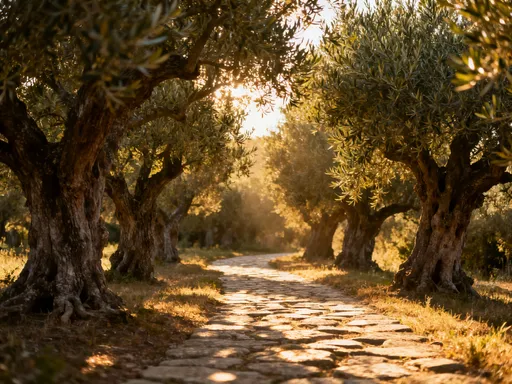
Move inland to a family-run olive grove, where rows of trees stretch toward the horizon. Here, the harvest in autumn is a community event—friends and neighbors gather to hand-pick the fruit, which is cold-pressed within hours. The resulting oil is bright green, with a peppery kick that lingers at the back of the throat. Use it to dress a salad of wild rocket, capers, and freshly caught tuna, or dip crusty bread into a blend of oil, crushed native pepperberry, and lemon zest.
Seek out the island’s sea salt producers, who harvest crystals from natural evaporation ponds near the coast. The salt is gathered in small batches, air-dried, and hand-sieved to preserve its delicate flakes. Sprinkle it over grilled vegetables or use it to cure local salmon. Its clean, mineral-rich taste enhances without overpowering, a testament to the purity of the Southern Ocean.
For something truly unique, try marron—a freshwater crayfish found in the island’s clean mountain streams. Cooked simply with butter and herbs, it offers sweet, tender meat with a subtle earthiness. Or sample native pepperberry jam, made from the small red berries of the Tasmannia lanceolata plant. Its spicy warmth pairs beautifully with aged cheddar or vanilla ice cream. Adventurous palates might explore herb-infused spirits, such as a gin distilled with karkalla (a coastal succulent) and lemon myrtle, offering a botanical complexity that echoes the island’s flora.
Each of these foods tells a story of place and season. They are not available year-round, nor found in supermarkets. Their value lies in their rarity, their connection to the land, and the care invested in their making. To taste them is to participate in a tradition of mindful eating—one that honors the source, the season, and the hands that made it possible.
From Farm to Table: Where to Eat Like a Local
The most authentic dining experiences on Kangaroo Island happen not in formal restaurants, but in unassuming places where food is made with pride and shared with warmth. Start at farm gates, where producers sell directly from their homes. These are often marked by simple signs—"Cheese for Sale," "Honey & Eggs"—and operated on an honor system. You leave cash in a box and take what you need, sometimes with a note of thanks taped to the door. These moments are not just transactions; they are acts of trust and community.
Roadside stalls appear at crossroads and orchard entrances, offering seasonal produce—figs in late summer, citrus in winter, olives in autumn. Some include cold drinks, homemade jams, or freshly baked pies. These stalls thrive on honesty and local support, surviving because neighbors buy from neighbors and visitors respect the system. Arriving early ensures the best selection, as popular items sell out by midday.
Community markets, like the one in Kingscote every Saturday morning, are hubs of connection and flavor. Fishermen display just-caught tuna, its flesh deep red and glistening. Bakers sell sourdough loaves with crackling crusts, made from flour ground on the island. Gardeners offer heirloom tomatoes, purple carrots, and bunches of wild herbs. Musicians play quietly in the background, children run between stalls, and everyone greets each other by name. It’s a living snapshot of island life, where food is central to social rhythm.
Small cafes and eateries also prioritize hyperlocal sourcing. One such place is The Oyster Shed, a converted shed near Penneshaw that serves seafood platters with oysters harvested the same morning, accompanied by pickled vegetables and house-made aioli. Another is Sunset Food Co., which changes its menu daily based on what’s available—perhaps lamb from a nearby farm, roasted with rosemary and served with roasted beetroot and goat cheese. These spots don’t advertise heavily; they rely on word of mouth and repeat visitors who value freshness and authenticity.
To eat like a local, one must slow down. Ask questions. Chat with the person behind the counter. Arrive early, stay late, and be open to surprise. The best meal might come from a pop-up dinner in a vineyard, a shared table at a farmhouse, or a simple sandwich made with island-grown ham and mustard. These are not just meals—they are invitations into a way of life built on connection, seasonality, and respect for the land.
Planning Your Gastronomic Escape: Practical Tips for Food-Focused Travel
For those ready to explore Kangaroo Island’s culinary treasures, a few practical considerations ensure a smooth and rewarding journey. The best times to visit depend on what you wish to experience. Autumn (March to May) is ideal for olive harvests, wine tastings, and cooler weather perfect for farm visits. Spring (September to November) brings the honey season, when wildflowers bloom and beekeepers open their hives. Summer offers fresh seafood and long daylight hours, while winter, though quieter, provides cozy moments in farm kitchens and access to preserved goods like jams and cured meats.
Transportation is key. The island is best explored by car, as public transit is limited and producers are often scattered across rural areas. Car rentals are available at the airport or via ferry from Cape Jervis. A reliable vehicle allows flexibility to follow food trails at your own pace, stopping at roadside stalls or unexpected farm gates. Always carry a cooler bag or small esky to keep perishables like cheese, milk, or seafood fresh during the day.
Accommodation options range from eco-lodges to farm stays. Consider booking a cottage on a working farm, where mornings might include fresh eggs on the doorstep or an invitation to help with feeding animals. These stays offer deeper immersion and direct access to homegrown food. Alternatively, boutique inns in Kingscote or Penneshaw provide comfort with easy access to markets and cafes.
When visiting producers, respect their space and routines. Many operate on a small scale and welcome visitors, but may not be open daily. Check websites or call ahead when possible. Always follow signage—some areas are private or sensitive to disturbance. Carry cash, as many small vendors do not accept cards. Bring reusable containers for take-home items, reducing waste and supporting sustainable practices.
Finally, plan ahead. Cell service can be spotty, and supplies limited in remote areas. Stock up on essentials, but leave room in your luggage for treasures like honey, olive oil, or handmade pasta. And remember: the goal is not to collect souvenirs, but to carry home memories, recipes, and a deeper appreciation for food made with care.
Why This Matters: Preserving Taste, Place, and People
The story of Kangaroo Island’s food is not just about flavor—it is about resilience, identity, and the future of rural communities. In 2020, devastating bushfires swept across much of the island, destroying farms, forests, and livelihoods. Yet, in the years since, the food community has rebuilt with quiet determination. Beekeepers re-established hives, farmers regenerated pastures, and artisans resumed production, often with even greater commitment to sustainability and regeneration. Their recovery is a testament to the strength of small-scale food systems, where personal investment and deep knowledge enable adaptation and renewal.
Supporting these producers does more than provide a memorable meal—it sustains ecosystems, preserves cultural heritage, and strengthens local economies. Every jar of honey, wheel of cheese, or bottle of wine purchased directly from a maker ensures that value stays on the island, circulating within the community rather than being extracted by distant corporations. It affirms a model of tourism that is regenerative rather than extractive, one that honors place and people.
For travelers, this means shifting perspective. Instead of chasing landmarks, consider seeking flavors. Instead of rushing from site to site, pause to taste, to listen, to connect. To eat mindfully while traveling is to acknowledge that food is a language—one that speaks of history, environment, and human care. It invites us to move beyond consumption and toward participation, to see ourselves not as tourists, but as guests in a living culture.
Kangaroo Island reminds us that the most meaningful journeys are not measured in miles, but in moments of connection. A shared meal, a conversation with a farmer, the first taste of honey drawn from native blossoms—these are the experiences that linger. They teach us to value slowness, seasonality, and the quiet dignity of those who grow and make our food. In a world of mass production and fast consumption, this island stands as a sanctuary of authenticity. Its whispers of flavor are not loud, but they are clear. They call us to eat with intention, travel with respect, and savor not just the taste, but the story behind every bite.